The useful part first
Key takeaways
- Main-line rodding clears obstructions inside the pipe, not fixture-specific clogs in a sink or tub.
- Multiple slow drains, basement backups, or repeat clogs often justify a different conversation than a single sluggish fixture.
- A camera inspection can become the better next step when the blockage returns or when pipe condition needs to be checked.
- If wastewater is active, stop using water first, then describe the symptoms clearly when you request service.
If wastewater is backing up, pause water use and do not run fixtures to recreate the problem. That keeps the blockage from spreading and gives the contractor a clearer starting point.
Sewer rodding is a mechanical cleaning service that can open a blocked main line when the issue is in the pipe’s path, not in a single sink or toilet trap. It’s a practical option when the line is accessible and the symptoms point to an obstruction instead of a broken pipe.
Through Plumbers 911, your inquiry is routed to a participating contractor who prices and performs the work. The key is matching the symptom to the service before anyone starts, because one missing detail can change the recommendation from rodding to inspection or a different cleaning method.
If the issue looks like a public sewer problem, Dolton Public Works has a reporting contact for sewer concerns and a separate after-hours dispatch contact. Private drain clearing and public system reporting are different channels.
What sewer rodding does in a Dolton home
Sewer rodding uses a flexible cable with a cutting or clearing end to break through material inside the main line. It can help with paper buildup, sludge, small intrusions, and some soft obstructions that are sitting in the flow path. It is a clearing service, not a pipe replacement service.
That matters because the same symptom can come from very different conditions. A main line can be slowed by accumulated debris, while another line may have a structural issue that keeps trapping waste. The first job is to decide whether the pipe needs mechanical clearing, inspection, or a different method.
For a homeowner, the useful question is not whether the line is simply ‘bad.’ It is whether the symptoms fit a blockage that can be reached and cleared from an available access point. That’s what makes sewer rodding a good match in some cases and the wrong move in others.
- Good fit: one blocked main line with accessible cleanout or other service access.
- Less likely fit: repeated backups after recent cleaning.
- Not a substitute for repair when the pipe is damaged, offset, or collapsed.
- Often paired with a later inspection when the cause needs to be confirmed.
What the contractor will usually ask first
Expect questions about which fixtures are affected, whether wastewater is returning in a floor drain or shower, and whether the problem showed up after laundry, toilet use, or rain. Those details help separate a main-line issue from a fixture drain issue. The pattern matters more than the word ‘clog’ by itself.
A clear description saves time on the phone and on site. If you can say what happened first, what was used, and whether the problem affected more than one drain, the contractor can choose the right entry point and equipment sooner.
What to check before you book
Start with the symptom pattern, not with a guess about the pipe. If only one sink is slow, that often points to a local drain problem. If the toilet bubbles when another fixture runs, or if the basement floor drain backs up when laundry drains, the main line becomes more likely.
Look for simple clues that change the recommendation. Did the problem begin suddenly after a specific use? Has it happened before and cleared temporarily? Is there any sign of wastewater coming back through a lower opening? One extra symptom can move the work from a quick rodding call to a more careful inspection.
If you’re not sure, that’s normal. The best next step is to describe the exact sequence you saw, not to flush more water to test it. If wastewater is already returning, stop running fixtures until the situation is checked.
- Single fixture only: often a local drain issue.
- Several fixtures at once: often a shared line or main issue.
- Repeat backup after recent cleaning: may need inspection or another method.
- Active wastewater return: stop using water and report it as a backup.
For example, suppose a basement floor drain overflows after laundry
For example, suppose a basement floor drain overflows after a washing machine dumps a full cycle. That pattern suggests the shared line may be struggling to carry discharge, especially if the toilet or another lower fixture also reacts. The contractor may still start with rodding, but the conversation may quickly shift to whether the line needs inspection after it is cleared.
If the same home later backs up again within a short time, that missing piece of evidence changes the recommendation. The issue is no longer just 'can the line be opened'; it becomes 'why does it keep closing back up?' That’s when a camera inspection often becomes the more useful next step.
Water backing up now?
Pause water use and call. Emergency calls are accepted 24/7.
What happens during a sewer rodding visit
The visit usually starts with a quick symptom review and a look at the available access point. The contractor wants to know where the line is backing up, whether the problem is constant or intermittent, and whether anything has already been tried. That first conversation guides the tool choice and the entry point.
From there, the line is opened and the cable is fed into the pipe to clear the obstruction. The work may involve several passes if material is packed in tightly or if the line has multiple restrictions. If the contractor finds signs that the line is not just blocked but compromised, the plan can change on the spot.
You should expect straightforward discussion about what was removed, whether flow improved, and whether the line still looks questionable. If the opening is temporary or incomplete, the contractor may recommend a follow-up inspection or a different cleaning method rather than pretending the job is finished.
- Access is chosen based on the line layout and the backup pattern.
- The cable clears obstruction material inside the pipe.
- Flow is checked again before anyone calls it done.
- A poor or partial result can lead to a different recommendation.
When another missing detail changes the plan
A line that clears and then fails again is not the same as a line that clears and stays open. That difference changes the next step. If the contractor sees roots, heavy scale, or a recurring deposit pattern, a one-time cleaning may not solve the whole problem. The recommendation changes because the evidence changed.
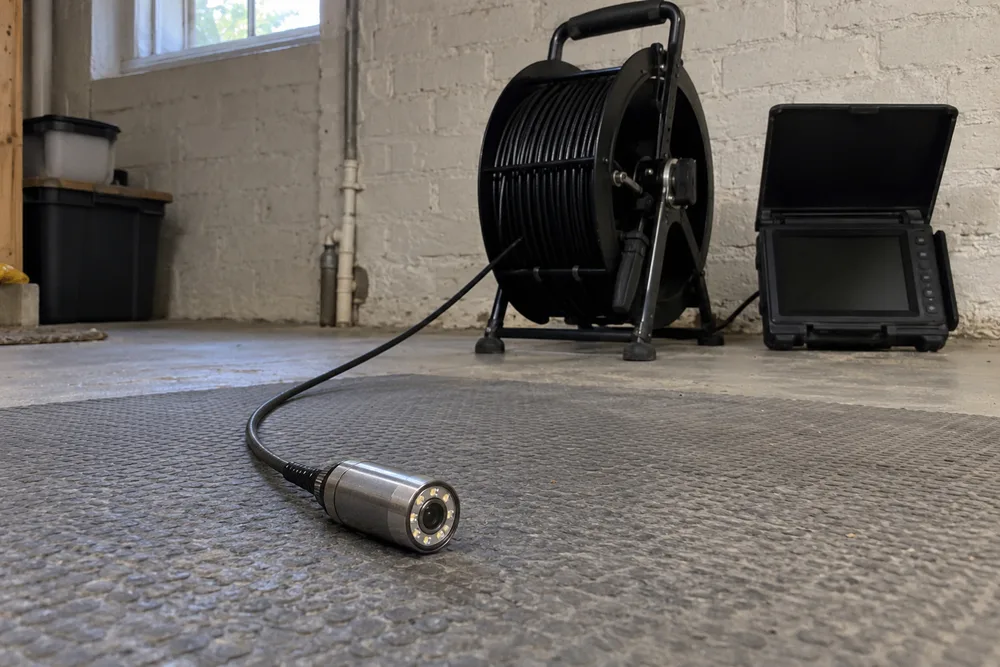
That is also why a camera can be worth adding after cleaning. It helps confirm whether the pipe is simply dirty or whether it has a condition that keeps catching debris.
How rodding compares with other sewer options
Mechanical rodding is best when the goal is to punch through or clear a blockage quickly. It is not always the best finish for every line, though. Some pipes need more than a cable if the interior is coated, the buildup is extensive, or the obstruction keeps returning.
Hydro jetting can be a better fit when the pipe needs a stronger wash to remove residue, but that choice depends on pipe condition and access. Camera inspection is the tool that often settles the question after cleaning, especially when the line has history. The service should match the evidence, not the label.
If the issue is clearly a fixture drain, the work belongs with the drain itself rather than the main sewer line. That’s why Dolton homeowners often compare several service paths before they book. If you’re sorting that out, the referral process explains how the request reaches a participating contractor, and the service visit guide shows what happens once work begins.
- Rodding: best for a direct blockage in the line.
- Jetting: better when residue or buildup needs a stronger wash.
- Inspection: helpful when the cause, condition, or recurrence needs confirmation.
- Fixture drain service: better when only one sink, tub, or toilet is affected.
A simple comparison for homeowners
Think in terms of the symptom, the line involved, and what you want confirmed. If the pipe is just blocked, rodding may be enough. If the pipe keeps clogging, you may need to see why. If only one fixture is slow, a main-line call may be more service than you need.
When the problem may belong to the public system
Not every sewer symptom starts on the homeowner’s side. If several nearby homes are affected, if the street system seems involved, or if the issue follows a broader sewer problem, Dolton Public Works is the place to report possible public infrastructure concerns. The village page lists a reporting contact and a separate after-hours dispatch contact.
That distinction matters because a private contractor can clear a homeowner’s line, but they do not respond to public sewer maintenance calls as the village does. Public reporting and private drain clearing are different channels for a reason.
If you are unsure which side the problem is on, describe what is happening at your house and whether neighbors are seeing the same issue. If it looks isolated to your home, a private sewer rodding request makes more sense. If it appears wider, report it through the village’s public works contact and keep notes on what you observed.
- Private line issue: one home or one service line shows the symptom.
- Possible public issue: several properties or a street-level pattern.
- Use the village contact for public infrastructure concerns.
- Use a private referral when the problem is inside your own service line.
Why this matters before booking
A homeowner can waste time if a street-level problem is treated like a private clog. On the other hand, a local main line with wastewater returning inside the house should not be delayed while waiting to see if the street clears itself. The question is which system the evidence points to right now.
What to expect after the line is cleared
After the blockage is removed, the contractor should tell you whether flow returned normally and whether anything unusual was found. If the line cleared cleanly and stays open, the next step may simply be normal use with better disposal habits. If the line was hard to clear, or if the symptom returns, the next step often becomes inspection or a different method.
This is where a follow-up decision matters. A one-time clog with a clear cause does not call for the same response as a line that keeps backing up. A good result is not just ‘the water went down’; it’s whether the pipe now behaves the way it should.
If you want to reduce repeat trouble, focus on what entered the system and whether the line has a history of recurring blockage. Home care helps, but it does not fix a structural problem. For planning over time, the maintenance guide and the roots guide give a deeper look at recurrence and likely causes.
- Clear flow after cleaning may end the call.
- Fast return of the same symptom suggests more evidence is needed.
- Recurring trouble often points to inspection rather than another blind clean.
- Keep notes on what the contractor found for future reference.
When to keep watching and when to call back
If everything drains normally afterward and there are no new symptoms, you may only need to monitor it. If the same backup returns soon, that is not a minor detail. It changes the recommendation from simple clearing to looking for the reason the line keeps closing up.
Quick comparison: which service fits the symptom
| What you notice | What it usually suggests | Likely next step |
|---|---|---|
| One sink or tub is slow | Local fixture drain | Fixture drain cleaning |
| Multiple fixtures react at once | Shared line or main sewer | Sewer rodding or inspection |
| Backup returns after recent cleaning | Recurring obstruction or pipe condition issue | Inspection and a different method review |
| Village-wide or street-level concern | Possible public system issue | Report through Dolton Public Works |
Questions homeowners ask
Is sewer rodding the same as snaking?
People use the terms interchangeably in conversation, but the useful point is the work being done. In this setting, it means using a cable to clear a blockage in the sewer line. The contractor can explain the tool and access point before starting.
Should I keep running water to see if the clog clears itself?
No. If wastewater is backing up, stop using water and don’t run fixtures to recreate the problem. More water can make the backup worse and can spread wastewater to other areas.
What if the problem only shows up after laundry or toilet use?
That pattern can point to a shared line issue rather than one fixture. Tell the contractor exactly what triggered it, because that detail can change whether rodding, inspection, or another service is the better next step.
Can a sewer line be rodded if it has been backing up on and off?
Sometimes, yes, but recurring backups are a clue that clearing alone may not solve the root cause. If the same symptom keeps returning, inspection becomes more useful because the line may be catching debris, roots, or another restriction.
Who handles a possible public sewer issue in Dolton?
Dolton Public Works handles reporting for sewer issues on the public side, with a separate after-hours contact listed on the village page. If the problem appears to be inside your own service line, a private contractor referral is the better fit.
Local resources
Use these official resources for municipal or utility information. They are separate from Plumbers 911.